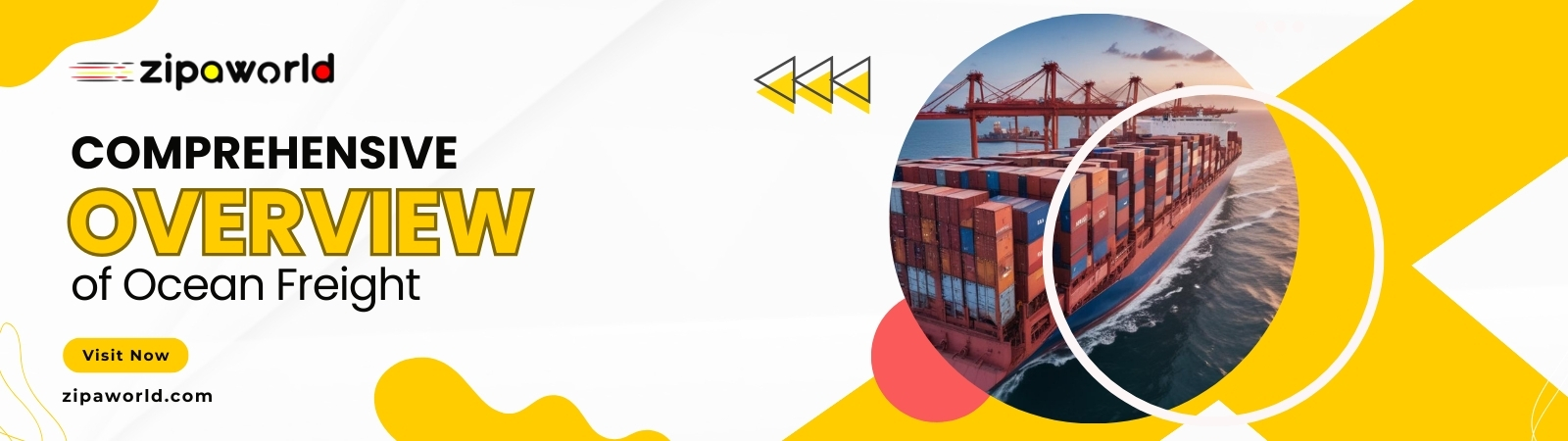
Ocean Freight Overview: Types, Process, Costs & Tracking
Historically, containerized shipping has been one of the most cost-effective and efficient methods of transporting goods across international markets. As global trade expanded, ocean freight became the preferred mode for moving large volumes of cargo due to its affordability, scalability, and reliability.
The use of standardized shipping containers simplifies loading and unloading operations while ensuring the safety and security of cargo throughout transit. Today, advancements in container tracking technology have transformed ocean freight logistics, providing businesses with greater visibility and control over their shipments.
Modern online container tracking systems allow businesses to monitor the real-time location and status of their cargo, helping freight operators optimize shipping schedules, reduce delays, and improve supply chain efficiency. This level of transparency is essential for maintaining cargo integrity and ensuring timely deliveries.
Types of Ocean Freight Services
Ocean freight services are designed to accommodate different cargo requirements. The most common types include:
Breakbulk Freight
Breakbulk freight is used for oversized or heavy cargo that cannot fit into standard shipping containers. Examples include:
- Industrial machinery
- Project cargo
- Vehicles
- Engineering equipment
- Construction materials
These shipments require specialized handling and loading procedures, making expertise and equipment critical to successful transportation.
Containerized Cargo
Containerized cargo is the most widely used form of ocean freight transportation. Goods are packed into standardized containers and shipped via container vessels.
Benefits include:
- Lower transportation costs
- Enhanced cargo security
- Simplified handling
- Faster loading and unloading
- Reduced risk of damage
Roll-on/Roll-off (RoRo) Cargo
RoRo shipping is ideal for wheeled cargo that can be driven directly onto and off vessels.
Common examples include:
- Trucks
- Buses
- Construction equipment
- Agricultural machinery
This method offers efficient loading and unloading while maintaining high safety standards.
Project Cargo
Project cargo is used for transporting large-scale industrial equipment and oversized structures such as:
- Wind turbines
- Power plant components
- Heavy construction machinery
- Infrastructure equipment
Project cargo requires specialized logistics planning, route management, and advanced cargo container tracking solutions.
Ocean Freight Cargo Process
Understanding the ocean freight process helps businesses improve shipment planning and logistics efficiency.
1. Booking
The first step involves reserving cargo space with a shipping line. Businesses must select the appropriate carrier, route, and sailing schedule.
Modern ocean freight platforms and container tracking systems help businesses make informed decisions based on vessel availability, transit times, and shipping costs.
2. Packaging
Proper packaging is critical for protecting cargo throughout its journey.
Businesses should ensure:
- Secure packing
- Compliance with shipping regulations
- Protection against environmental conditions
- Proper container loading practices
Well-packaged cargo minimizes the risk of damage during transportation.
3. Loading
Once packaged, cargo is transported to the port and loaded onto the vessel.
Depending on the cargo type, loading may involve:
- Cranes
- Forklifts
- Specialized lifting equipment
- Manual handling procedures
Efficient loading reduces port dwell time and improves shipping schedules.
4. Transportation
During transit, real-time ocean freight tracking becomes essential.
Advanced cargo tracking systems provide visibility into:
- Container location
- Vessel status
- Transit milestones
- Estimated arrival times
- Potential delays
This enables businesses to proactively manage their supply chains and adjust plans when necessary.
5. Unloading
Upon arrival at the destination port, cargo is unloaded using appropriate handling equipment.
Careful unloading procedures help prevent cargo damage and ensure smooth customs processing.
6. Final Delivery
After customs clearance and port processing, cargo is delivered to its final destination through inland transportation networks, including road and rail freight services.
Key Factors Affecting Ocean Freight Costs
Several factors influence ocean freight rates and shipping expenses.
Distance
Longer shipping routes generally result in higher transportation costs due to increased fuel consumption and transit times.
Cargo Weight and Volume
Ocean freight pricing is often determined by:
- Cargo weight
- Container utilization
- Shipment volume
Larger and heavier shipments typically incur higher costs.
Type of Goods
Certain cargo types require specialized handling and equipment, including:
- Perishable products
- Hazardous materials
- Temperature-controlled goods
- High-value cargo
Special handling requirements increase shipping costs.
Shipping Line Selection
Freight rates can vary based on:
- Carrier network coverage
- Service quality
- Vessel capacity
- Transit schedules
- Route availability
Choosing the right ocean freight provider can significantly impact transportation costs and efficiency.
Benefits of Ocean Freight Transportation
Cost-Effective Transportation
Ocean freight offers one of the lowest per-unit transportation costs, making it ideal for businesses shipping large volumes of cargo.
Large Cargo Capacity
Modern container vessels can carry thousands of containers, enabling efficient movement of goods across international markets.
Global Trade Connectivity
Ocean freight supports global commerce by connecting manufacturers, suppliers, and consumers across continents.
Reliable Scheduling
Advanced sea freight tracking technologies help improve schedule reliability and shipment visibility.
Enhanced Cargo Security
Containerized shipping reduces cargo handling and exposure, minimizing risks of theft, damage, and loss.
Sustainability Advantages
Compared to air freight, ocean freight produces significantly lower carbon emissions per ton of cargo transported, making it a more environmentally responsible option.
Challenges of Ocean Freight
Despite its advantages, ocean freight also presents several challenges.
Weather Disruptions
Severe weather conditions can impact sailing schedules and cause shipment delays.
Port Congestion
Busy ports may experience congestion, increasing vessel waiting times and affecting delivery schedules.
Customs Complexity
International shipments must comply with varying customs regulations and documentation requirements.
Cargo Risks
Large-volume shipments may face risks such as:
- Cargo damage
- Container loss
- Theft
- Handling errors
Supply Chain Disruptions
Global events, labor shortages, and geopolitical issues can affect ocean freight operations and transit times.
Fortunately, modern container tracking systems provide real-time visibility that helps businesses anticipate disruptions and respond proactively.
Conclusion
Ocean freight remains one of the most reliable, scalable, and cost-effective transportation solutions for international trade. Whether moving containerized cargo, project cargo, breakbulk shipments, or RoRo freight, businesses can benefit from lower costs, global reach, and improved shipping efficiency.
By understanding ocean freight processes, shipping cost factors, and modern container tracking technologies, organizations can make smarter logistics decisions and build more resilient supply chains.
Real-time container tracking, shipment visibility, and proactive logistics management are becoming essential for businesses looking to optimize global trade operations and enhance customer satisfaction.
Track your ocean freight shipments in real time with Zipaworld RAI and gain complete visibility across your global supply chain.
Read more - Cargo Tracking Made Easy With Zipaworld